Parkesine
Alexander Parkes introduces an early man-made plastic in London.
 Get in touch ↗
From early discoveries to the everyday polymers we recycle today.
The development of plastic materials started with the use of natural materials with plastic properties, then evolved with the development of chemically modified natural materials (e.g. rubber, nitrocellulose, collagen). Finally the wide range of completely synthetic material that we recognise as modern plastics today, started to be developed around 100 years ago.
The first man-made plastic was created by Alexander Parkes at the 1862 Great International Exhibition, London. Today known as celluloid, the material was called Parkesine derived from cellulose that once heated could be molded, retained its shape when cooled. In 1907 Leo Baekeland created Bakelite, the first synthetic mass-produced plastic. In 1933, polyethylene was discovered by Imperial Chemical Industries (ICI). From the 1940’s onwards, a range of other plastics were discovered and became mass-produced for a wide range of existing and new applications.
Alexander Parkes introduces an early man-made plastic in London.
Leo Baekeland creates the first mass-produced synthetic plastic.
ICI discovers a material that would transform everyday products.
A wider range of plastics reaches mass production.
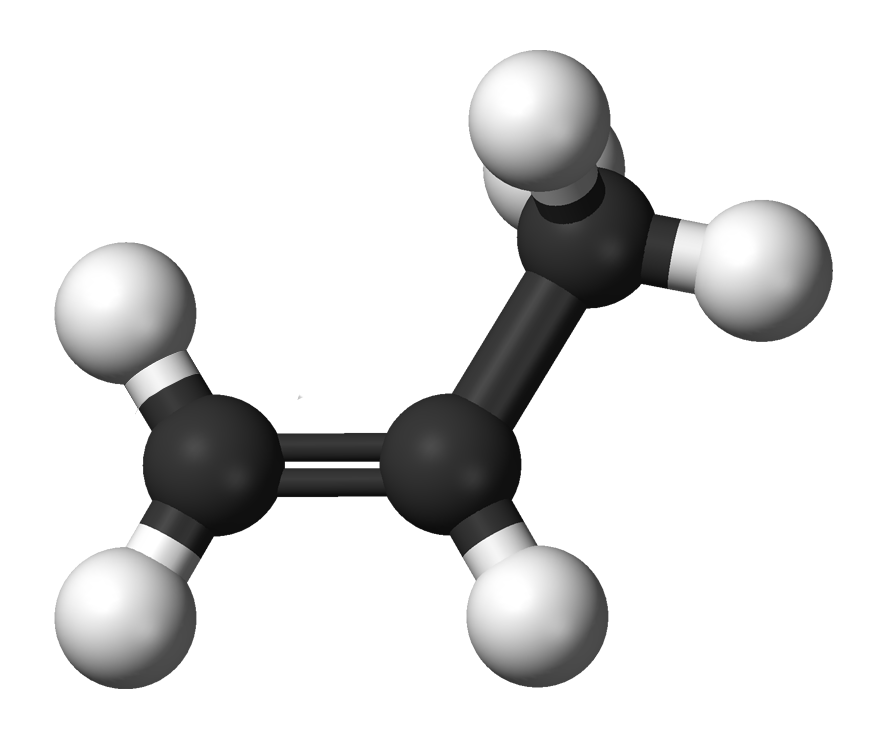
Polypropylene (PP), also known as polypropene is a thermoplastic polymer used in many applications, produced via chain-growth polymerization from the monomer propylene.
PP belongs to the group of polyolefins and is partially crystalline and non-polar.PP belongs to the group of polyolefins and is partially crystalline and non-polar. Its properties are similar to PE, but it is slightly harder and more heat resistant. Similar to Polyamides, it is a mechanically rugged material and has a high chemical resistance.
Polypropylene is the second-most widely produced commodity plastic globally (after PE) and it is often used in packaging and labeling. In 2013, the global market for polypropylene was roughly 55 million tonnes.
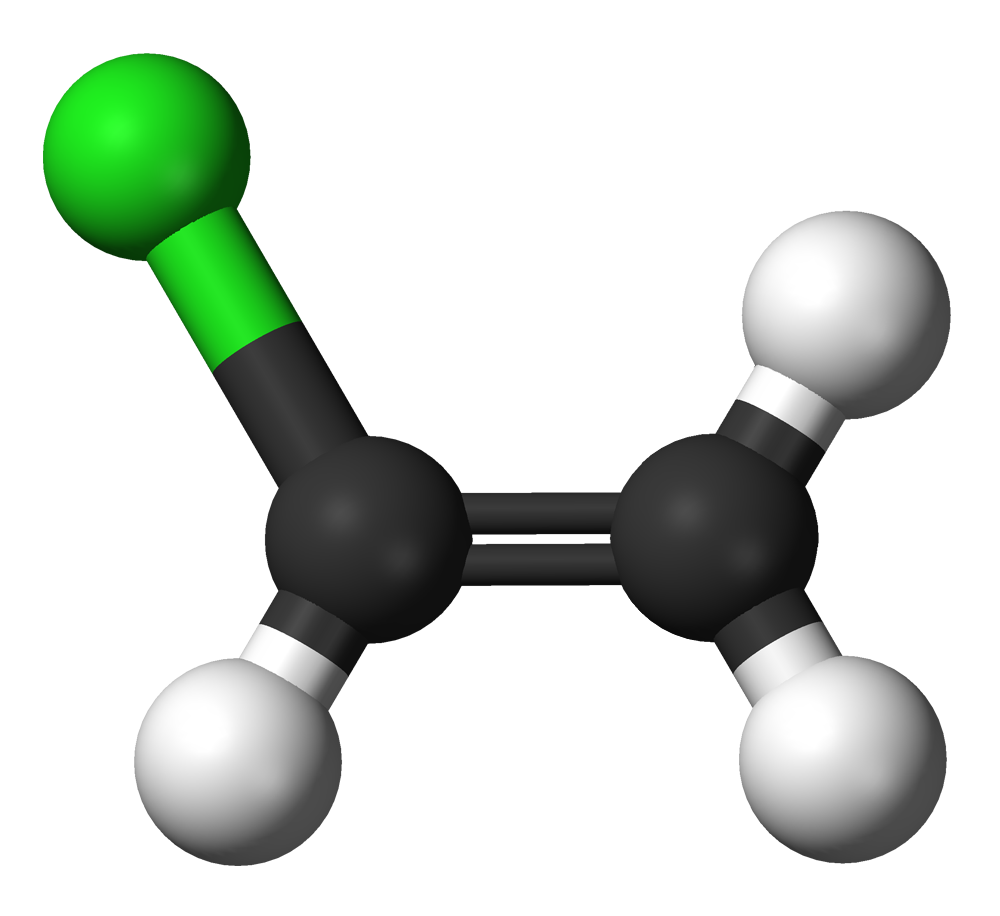
Polyvinyl Chloride is the world's third-most widely produced synthetic plastic polymer, after Polyethylene and Polypropylene - About 40 million tonnes are produced per year.
PVC was accidentally synthesized in 1872 by German chemist Eugen Baumann. PVC comes in two basic forms: rigid (sometimes abbreviated as R-PVC) and flexible. The rigid form of PVC is used in construction for pipe and in profile applications such as doors and windows. It is also used in making bottles, non-food packaging, and cards (such as bank or membership cards).
It can be made softer and more flexible by the addition of plasticizers (generally phthalates). In this form, it is also used in plumbing, electrical cable insulation, imitation leather, flooring, signage, phonograph records, inflatable products, and many applications where it replaces rubber.
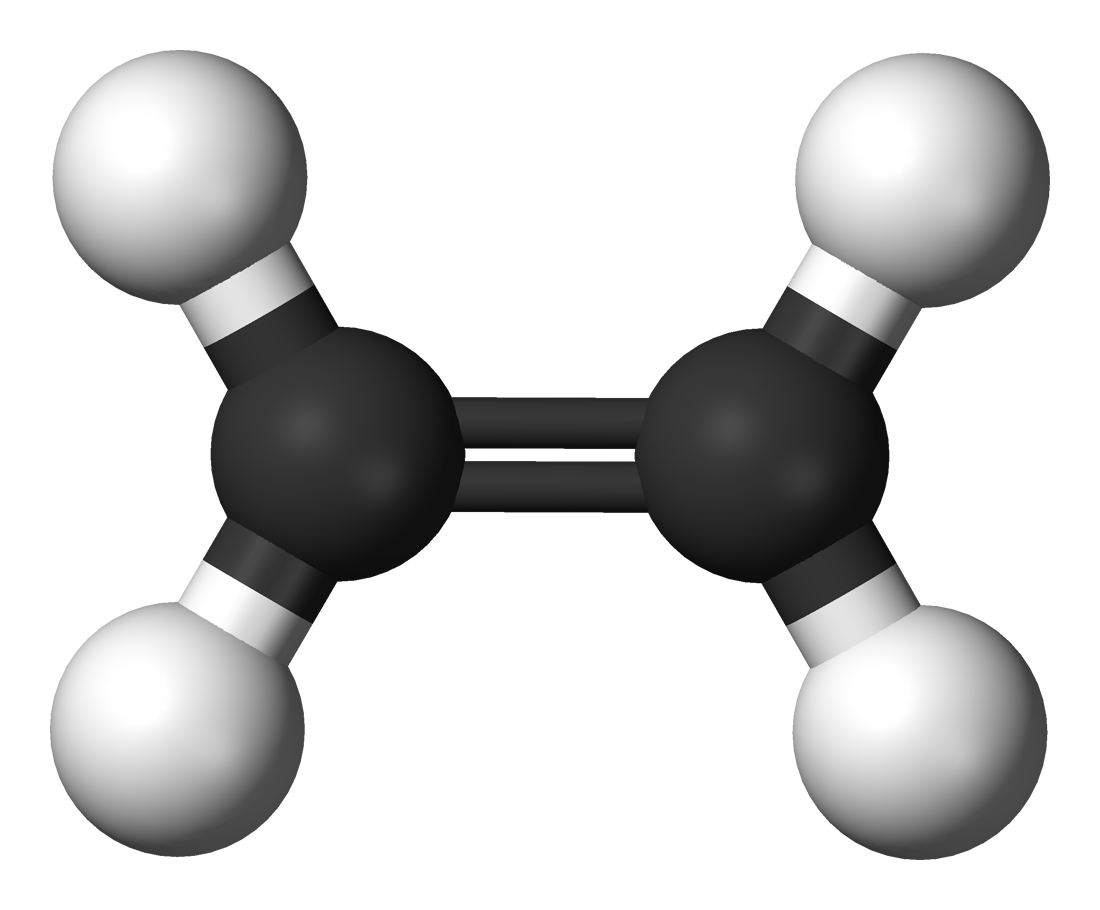
Low-density polyethylene (LDPE) is a thermoplastic made from the monomer ethylene. It was the first grade of polyethylene, produced in 1933 by Imperial Chemical Industries (ICI) using a high pressure process via free radical polymerization.
The EPA estimates 5.7% of LDPE (No. 4) is recycled. Despite competition from more modern polymers, LDPE continues to be an important plastic grade. In 2013 the worldwide LDPE market reached a volume of roughly £25 billion.
Historical material descriptions and figures are retained from the original Poly-Cycle website. Referenced market sizes and recycling rates describe the original source periods.
Talk to us about your materials, collections and recycling requirements.