From Your Materials to Their Next Purpose.
Every material has a journey. From the first conversation and careful assessment to collection, quality checks, preparation and onward recycling, we help businesses manage recyclable materials with confidence.
A Clear Process. From Start to Finish.
Recycling starts long before materials reach a processing facility. Understanding what is available, checking its condition and arranging the right collection and handling methods all contribute to an efficient recycling journey.
- 01
Assess
Understand the materials, quantities, composition and condition.
- 02
Collect
Coordinate collection, loading and appropriate weight verification.
- 03
Prepare
Identify handling requirements and prepare materials for onward movement.
- 04
Recover
Arrange delivery and support the next stage of the recycling process.
It Starts with a Conversation.
Tell us about the recyclable materials your business produces or holds. We begin by understanding the material type, approximate quantity, location and how it is currently stored or packaged.
This first conversation helps us establish the most suitable next steps, identify any information we may need and discuss the practical requirements of collection and recycling.
- Understanding material types and quantities
- Establishing collection location and accessibility
- Reviewing photographs or material information where helpful
Understanding What We're Working With.
Different materials require different approaches. Identifying the polymer type, material form and composition is an important step in determining how recyclable material should be handled and directed.
Whether the material consists of production offcuts, packaging film, moulding rejects, redundant stock or other recyclable products, we review the available information to establish a suitable recycling route.
- Identifying polymer grades and material categories
- Understanding loose, bagged or baled material formats
- Reviewing mixed and segregated materials
Checking Material Quality and Condition.
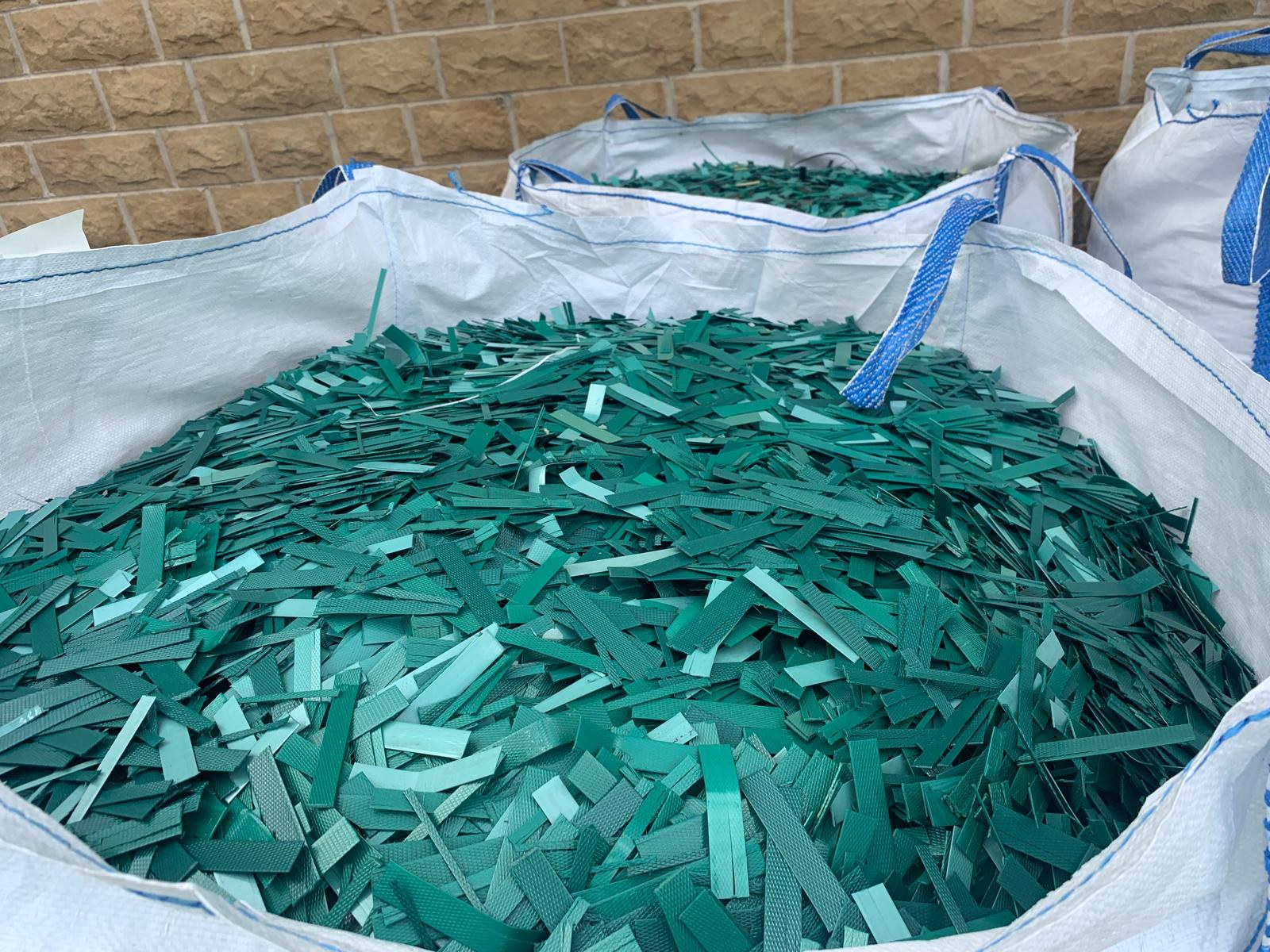
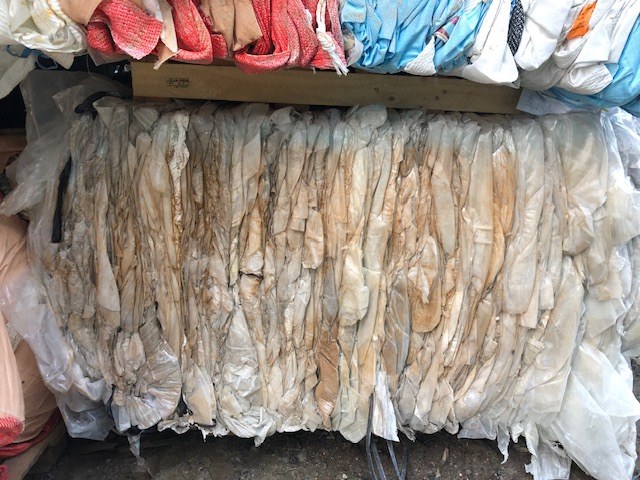
The condition of recyclable material influences how it can be processed. Quality assessment considers the consistency of the material, visible contamination, moisture, packaging and the presence of foreign objects or incompatible materials.
Identifying these characteristics helps determine whether additional separation, preparation or specialist treatment may be required before the material progresses to the next stage.
- Visible contamination and foreign-material checks
- Cleanliness, moisture and material consistency
- Packaging, bale condition and material separation
Planning the Right Collection.
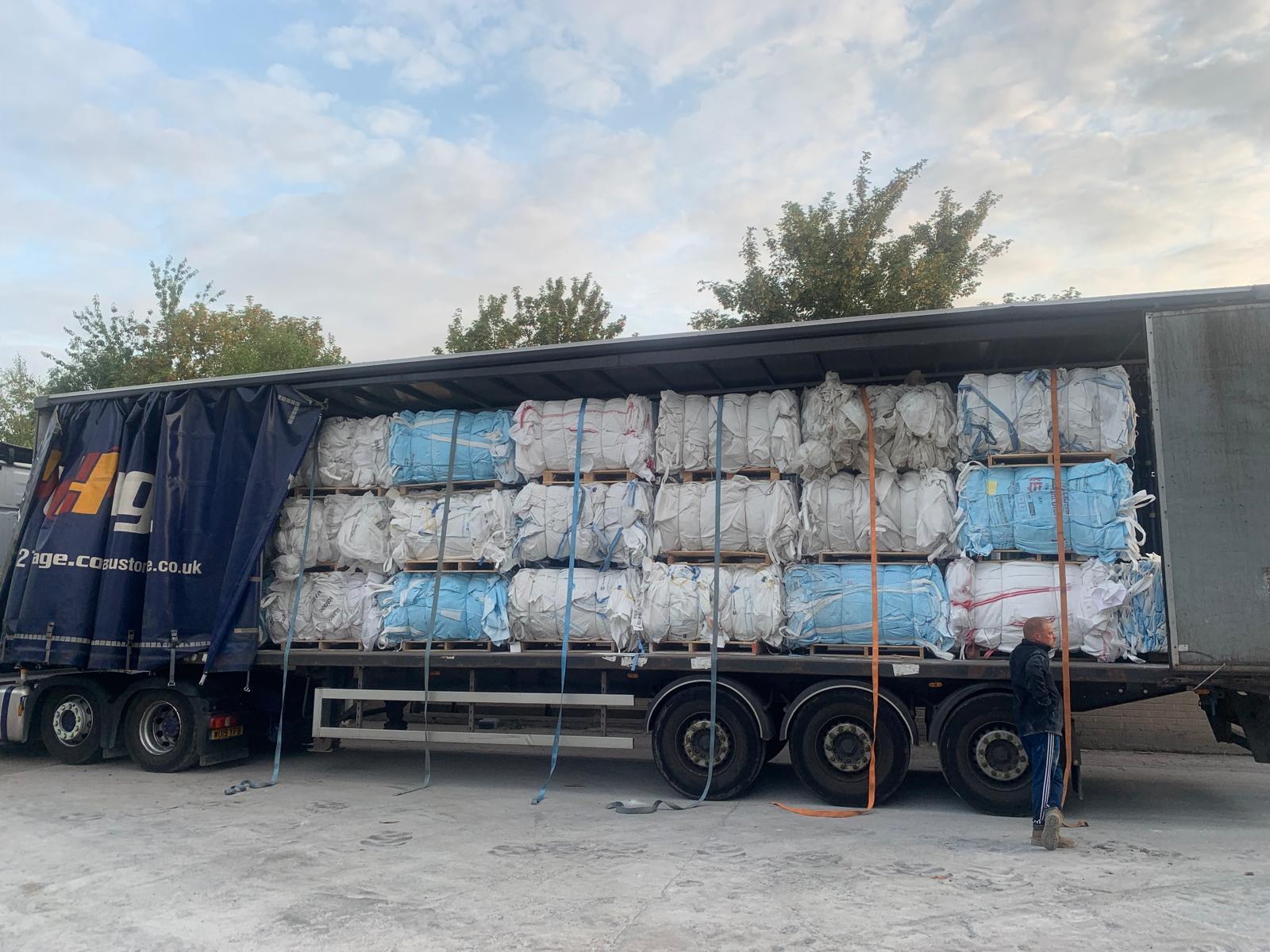
Once the material and collection requirements are understood, the next step is to coordinate suitable transport. Load volume, material packaging, access arrangements and handling requirements all influence how collection is organised.
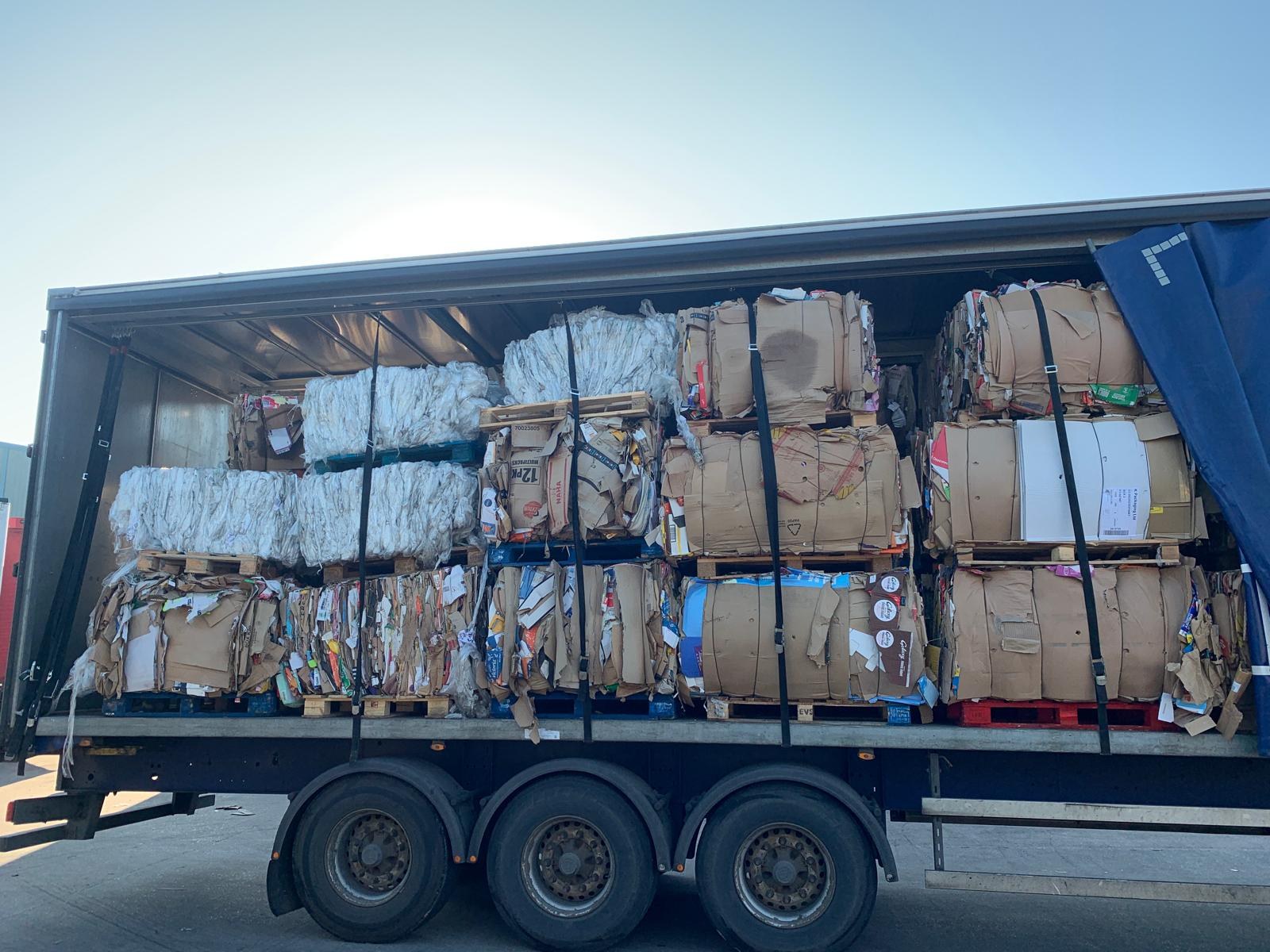
Poly-Cycle provides nationwide collection arrangements, with vehicle options ranging from 7.5-tonne rigid vehicles to 44-tonne articulated trailers and Moffett facilities where required.
- Assessing site access and collection requirements
- Selecting suitable vehicle and loading arrangements
- Coordinating collection timing and logistics
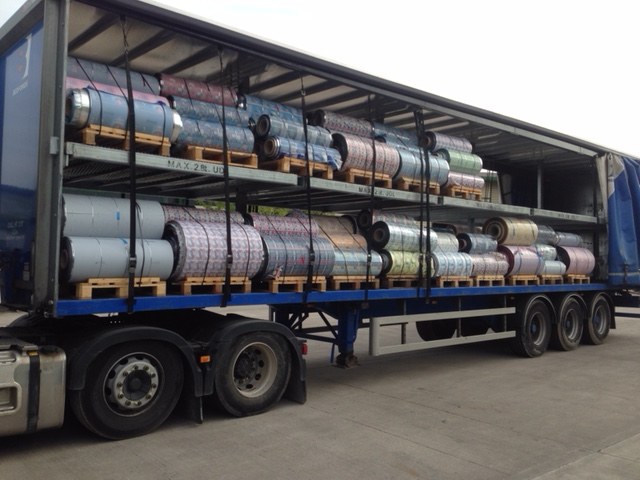
Collected, Loaded and Accounted For.
Recyclable materials are loaded according to their format, volume and handling requirements. Suitable loading arrangements help ensure that materials can be transported safely and efficiently.
Accurate quantities are important for material accountability. Depending on the collection arrangement, weights can be verified through appropriate weighing facilities and recorded alongside the relevant transfer information.
- Safe loading and load configuration
- Quantity and weight verification where applicable
- Material records and transfer information
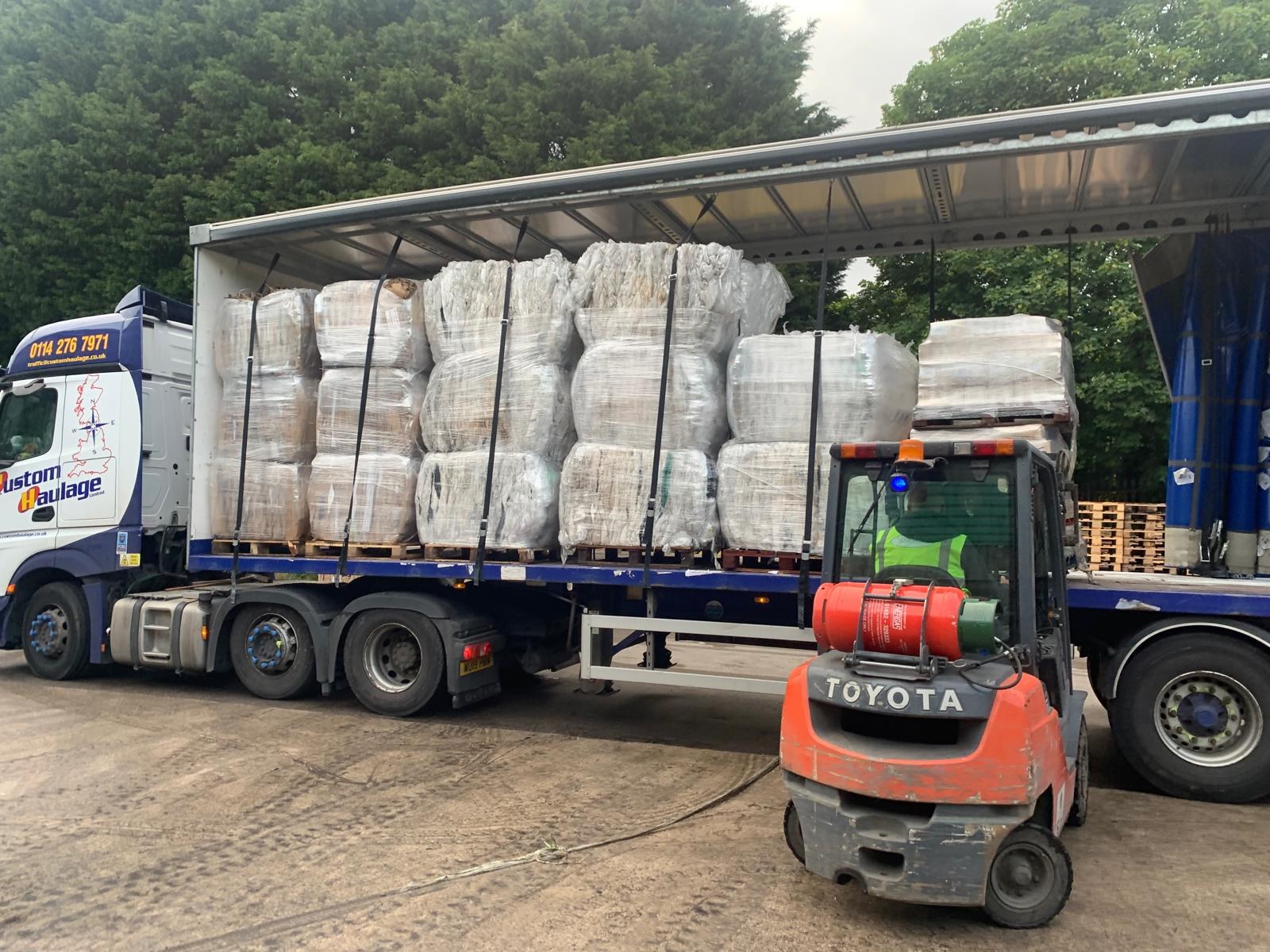
Preparing Materials for the Next Stage.
Different recyclable materials may require separation, consolidation or packaging before onward movement. Keeping compatible material types together helps support efficient handling and suitable downstream processing.
Depending on the material and the receiving facility's requirements, recyclable loads may be organised by type, colour, condition or packaging format before dispatch.
- Material separation and identification
- Suitable packaging and load consolidation
- Preparation for transport and onward processing
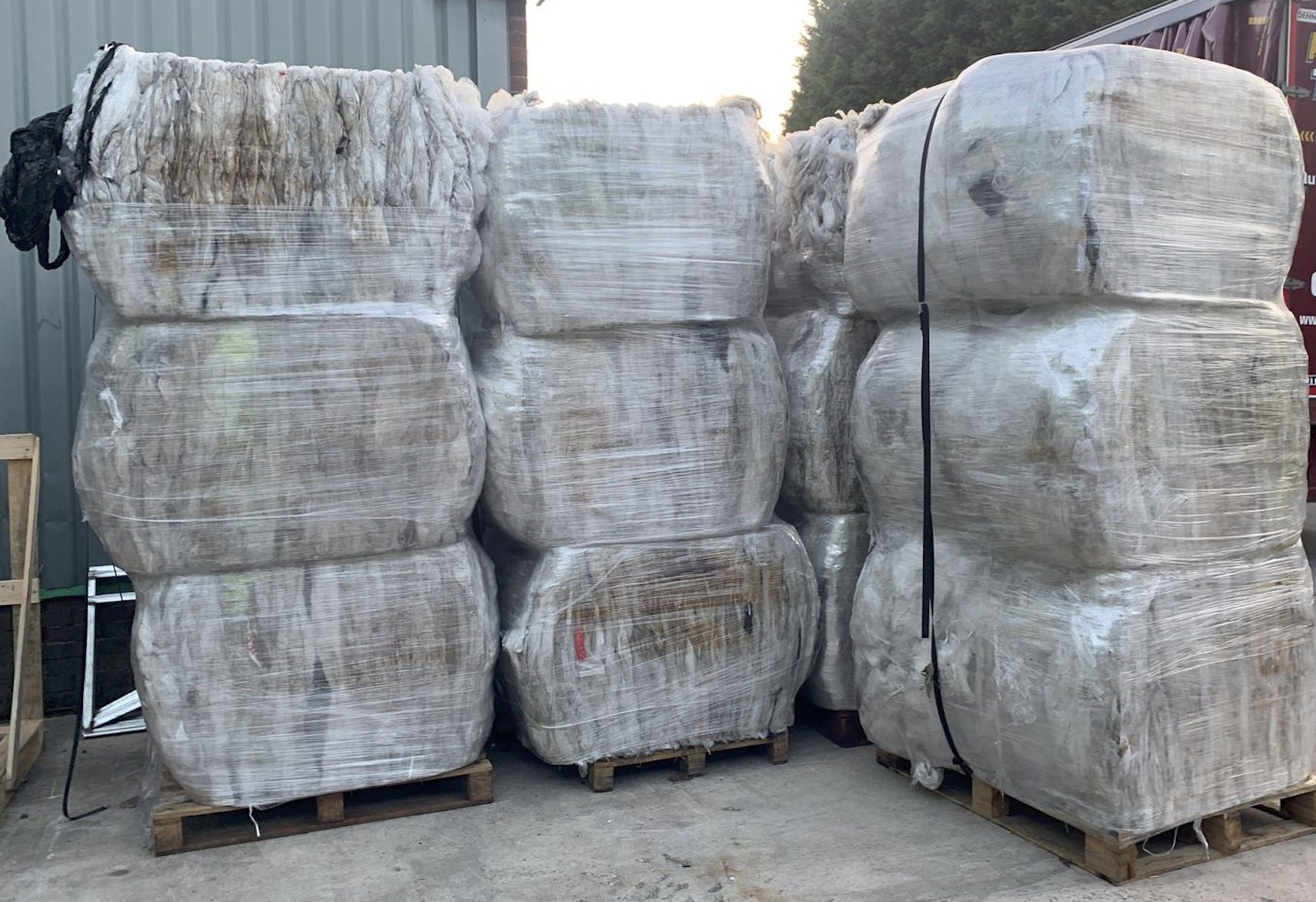
Moving Materials Where They Need to Go.
Once materials are ready for onward movement, transport is coordinated according to the load requirements and intended receiving destination.
Suitable loading, transport planning and communication help recyclable materials reach the next stage of their journey in an organised and manageable condition.
- Appropriate vehicle and load configuration
- Transport coordination
- Delivery to suitable receiving destinations
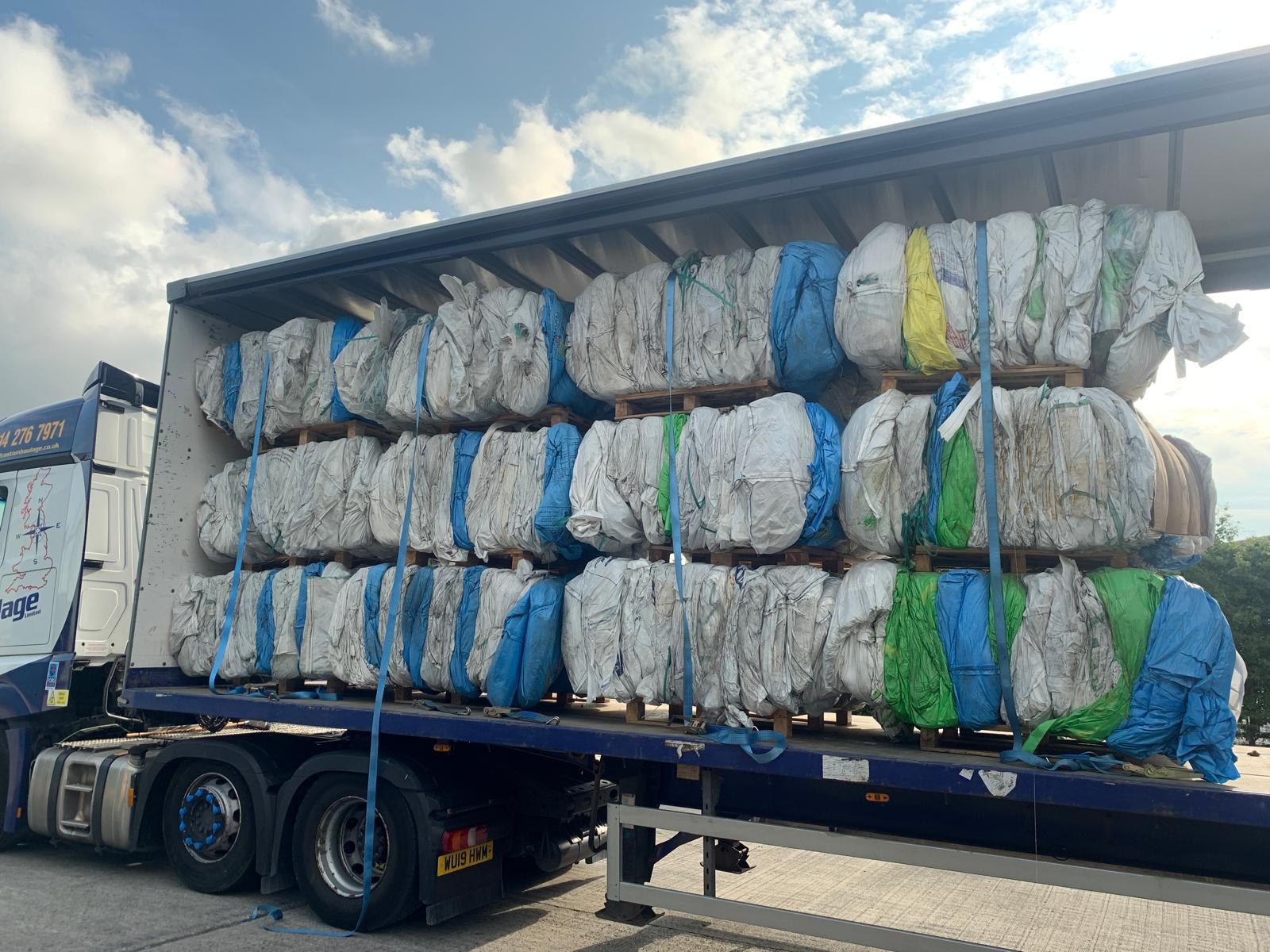
A Responsible Handover.
At the receiving destination, recyclable materials continue through the appropriate recovery or reprocessing route. The requirements of the receiving facility help determine how the material is accepted and handled.
Documentation and material records support accountability throughout the transfer process. Poly-Cycle's existing service includes waste reporting and transfer documentation for customer records.
- Delivery to an appropriate receiving destination
- Material handover and receiving requirements
- Waste reporting and transfer documentation
From Recovered Plastics to New Possibilities.
The recycling journey does not end when materials are collected. Suitable recovered polymers can undergo specialist reprocessing to become raw materials for new manufacturing applications.
The general reprocessing journey below is separate from the eight collection and handling stages above. The route and processing location depend on the material and receiving facility.
About Poly-Cycle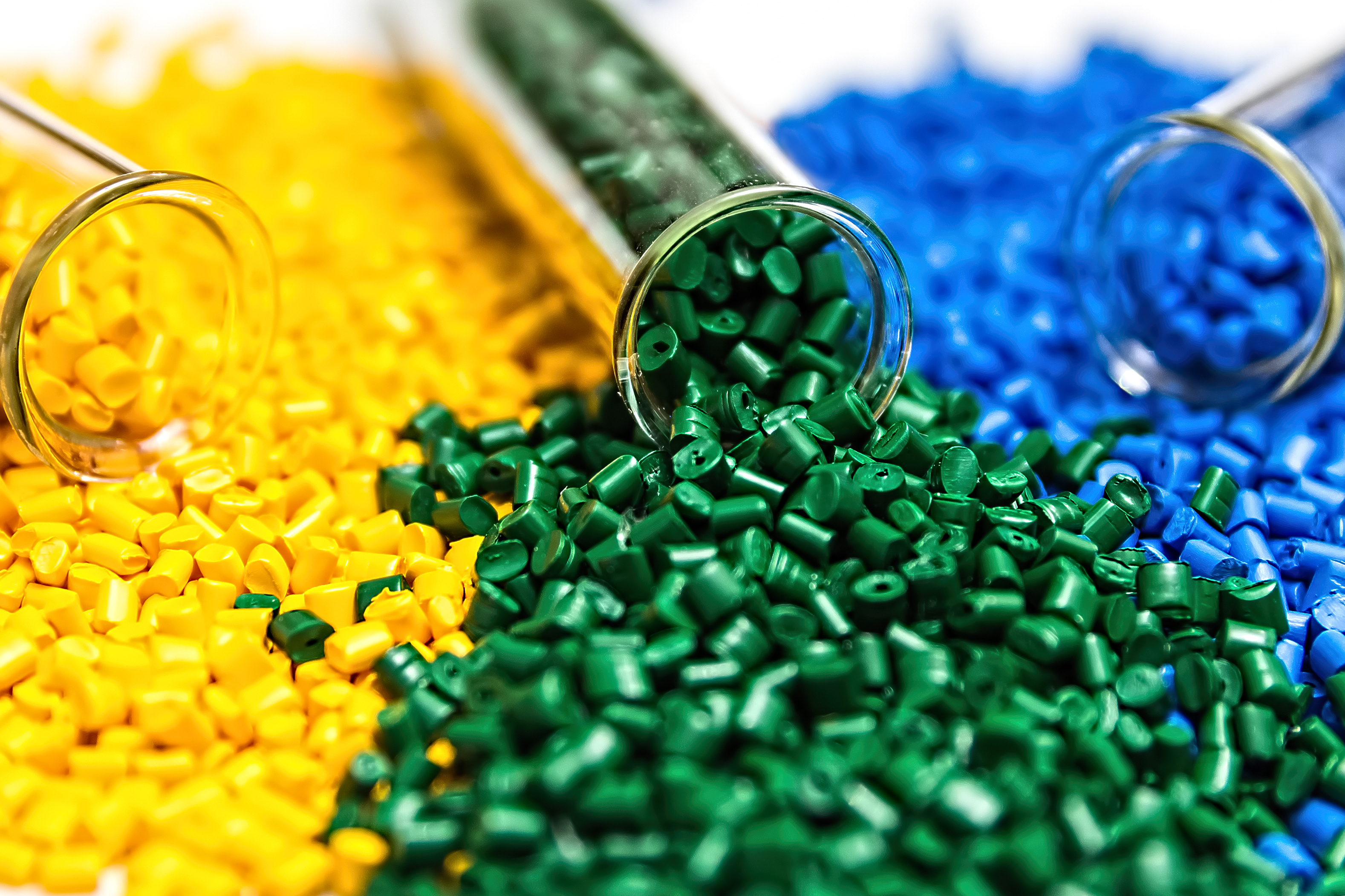
- 01
Sorting and Preparation
Materials are separated and prepared according to their composition and processing requirements.
- 02
Size Reduction and Cleaning
Depending on the material, specialist processing may involve shredding, granulation, cleaning or the removal of unwanted contaminants.
- 03
Polymer Reprocessing
Suitable plastics can be melted, filtered and extruded to produce recycled polymer material, including pellets for further manufacturing.
- 04
New Manufacturing Applications
Recovered polymers can be used in new products, sometimes blended with virgin material to meet specific manufacturing requirements.
Real Materials. Real Operations.
A closer look at recyclable materials, prepared loads, collection arrangements and the logistics involved in moving materials towards their next purpose.
Showing 8 photographs
What information should I provide when making an enquiry?
Start with the material type, approximate quantity, collection location and any photographs or details about its condition. This helps us understand your requirements and discuss the next steps.
Does material need to be clean or separated?
Material condition and separation can affect the recycling route. Let us know whether the material is mixed, contaminated or stored alongside other products so we can discuss its suitability.
Can Poly-Cycle arrange nationwide collection?
Yes. Poly-Cycle offers nationwide collection arrangements, with vehicle options selected according to the material volume and collection requirements.
How is recyclable material weighed?
Weight verification depends on the collection and receiving arrangements. Appropriate weighing records can be used to establish material quantities.
What happens after collection?
Materials are directed through suitable handling, preparation and recycling routes. Depending on the material, specialist reprocessing can return recovered polymers to a form suitable for manufacturing.
Can I send photographs of my materials?
Photographs can be useful when discussing material type, condition, packaging and approximate quantity. Contact the team to discuss the best way to share your material information.