Polymer
A material made from long chains of repeating building blocks. A polymer is the main ingredient in many plastics.
 Get in touch ↗
What does PET stand for? How is nylon different from rubber? Explore the names, familiar uses and recycling questions behind the materials your business encounters.
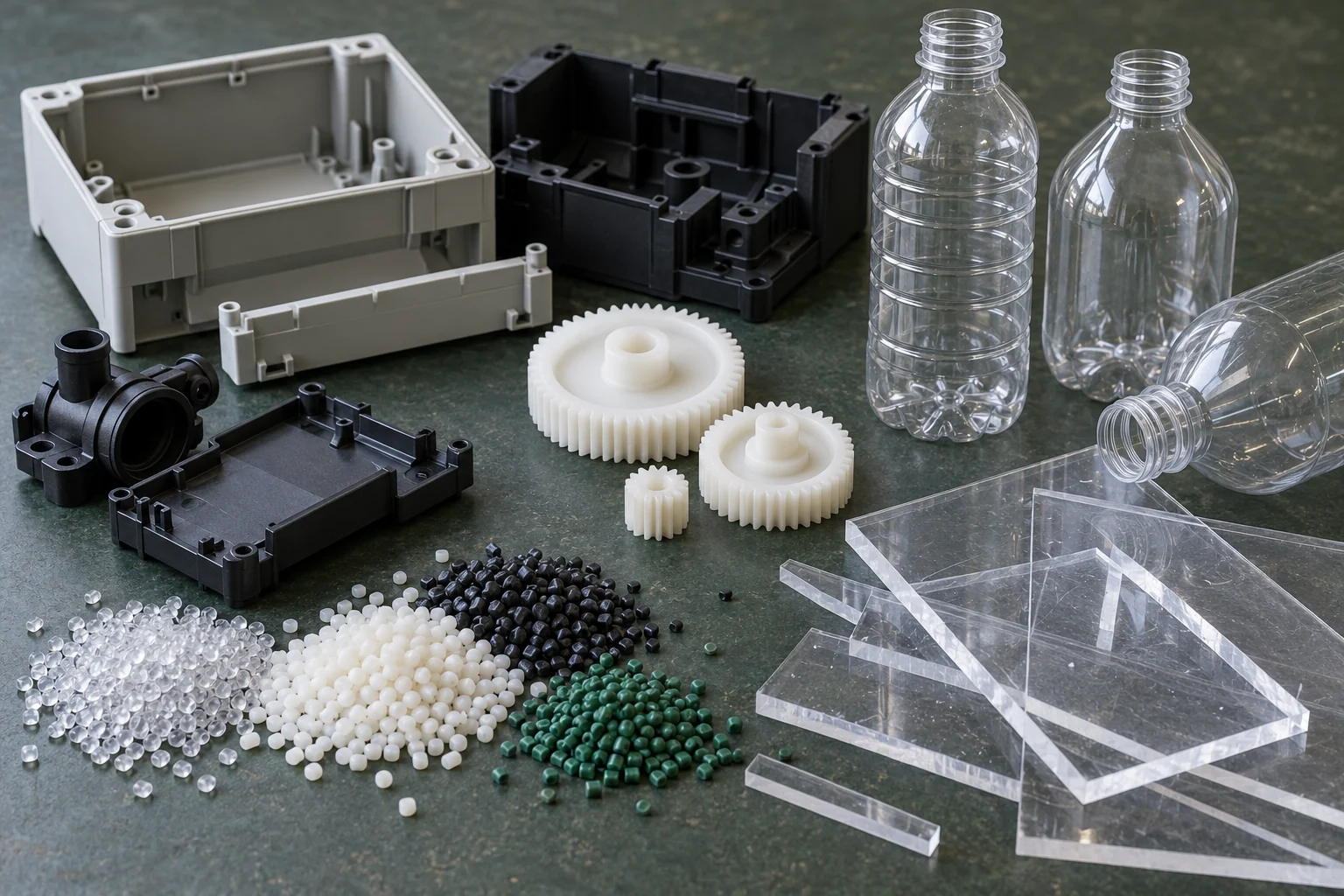
Durable components, clear plastics, flexible polymers and related material families.
Explore the category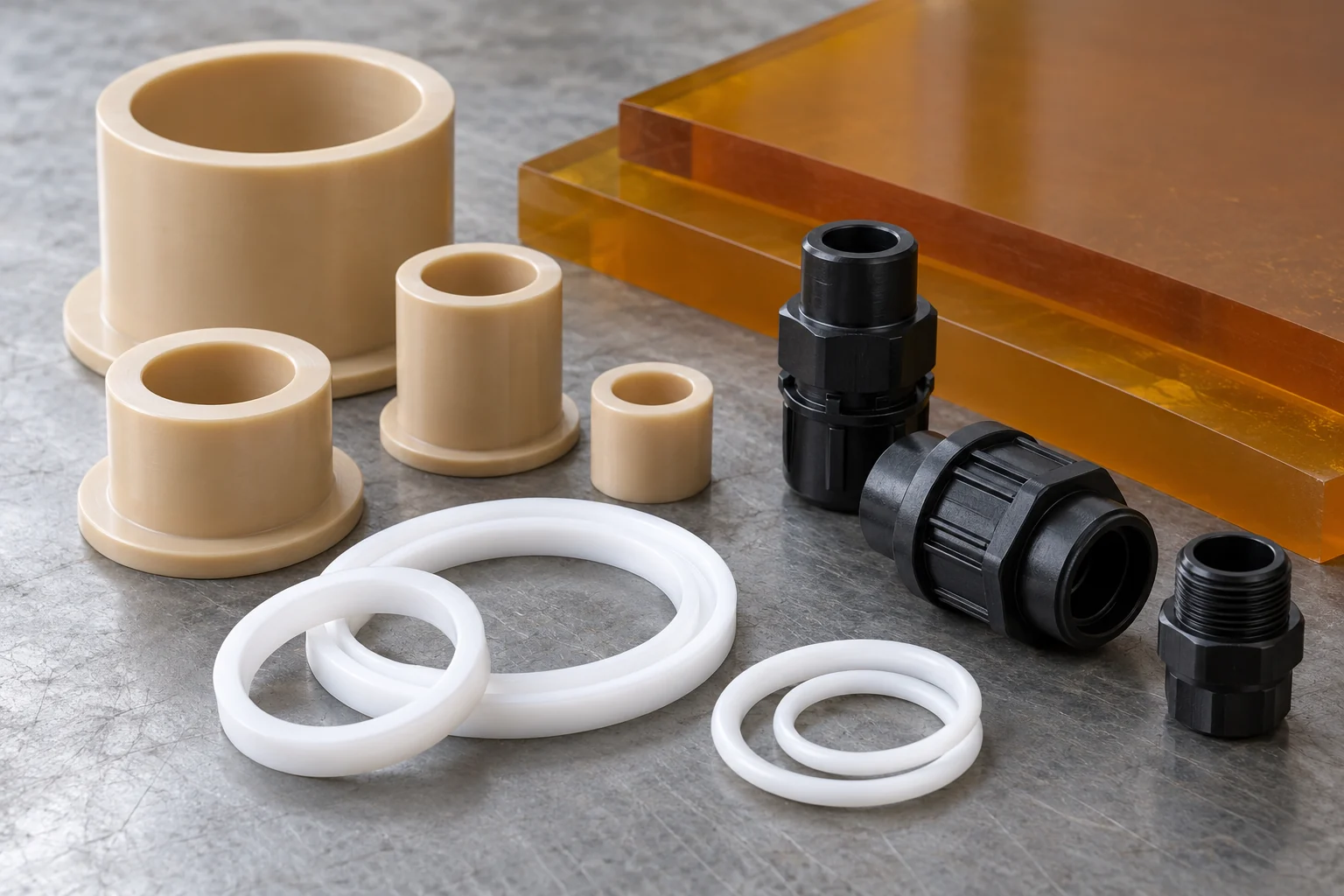
Technical polymers, fluoropolymers and speciality materials explained.
Explore the category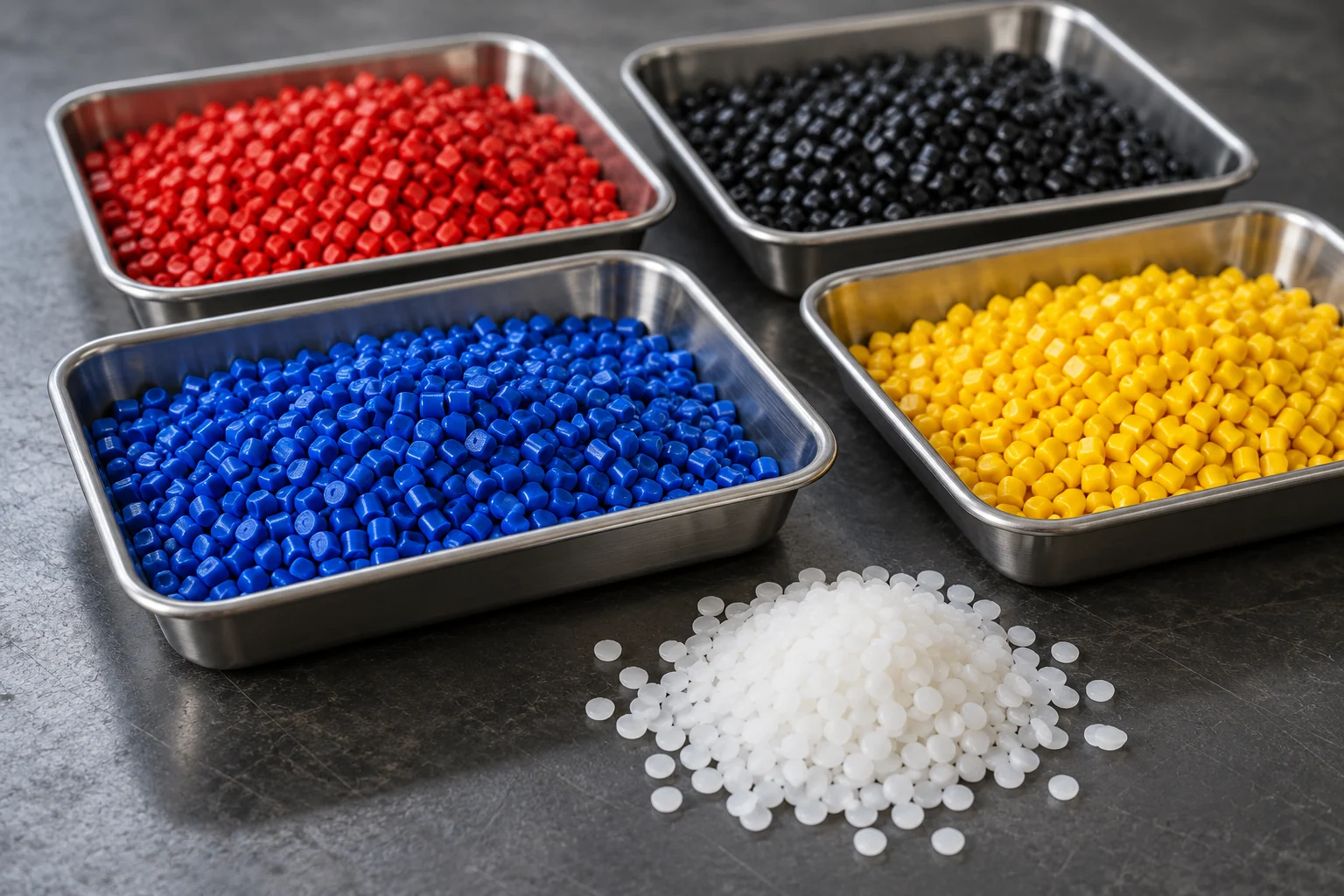
The ingredients that change colour, processing and material performance.
Explore the category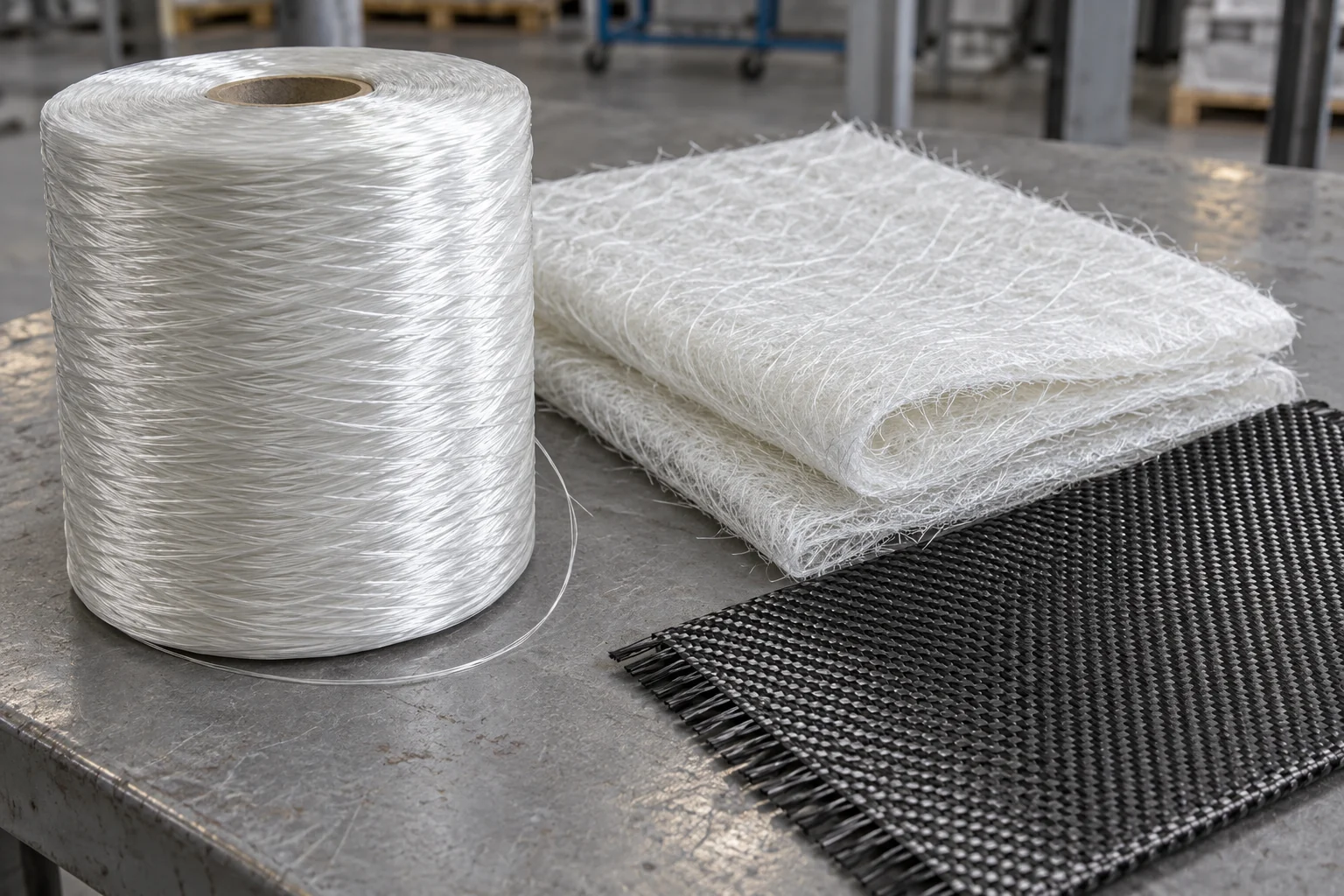
Glass and carbon reinforcement, from continuous rovings to chopped strands.
Explore the category69 material guides — type above to filter the list.
A family of tough plastics used for parts that rub, flex or carry a load. Nylon is the familiar name for many polyamides.
Understand this material PA 4.6A nylon grade chosen for demanding components that need to retain stiffness when warm.
Understand this material PA 6A widely used nylon for durable moulded components and fibres.
Understand this material PA 6.6A strong engineering nylon found in mechanical and electrical parts.
Understand this material PA 6/66A nylon made using building blocks associated with both PA6 and PA66, allowing processing and flexibility to be adjusted.
Understand this material PA 12A nylon used where flexibility and low moisture uptake are useful, particularly in tubing.
Understand this material PPAA group of partly aromatic nylons used for parts exposed to higher temperatures.
Understand this material PBTAn engineering polyester used to mould stable, precise components.
Understand this material PETA polyester used in bottles, sheet, film, fibres and engineering components. It is the material many people recognise from clear drinks bottles.
Understand this material TPEA family of rubber-like materials that can be shaped using thermoplastic processing.
Understand this material TPOA polyolefin-based material designed to combine plastic processing with a degree of rubber-like toughness.
Understand this material SBSA block copolymer with hard styrene sections and softer butadiene sections: useful where a material needs to flex.
Understand this material SEBSA hydrogenated styrenic elastomer used in soft, flexible compounds.
Understand this material EPDMA synthetic rubber used for weather-exposed seals and hoses. Finished EPDM is commonly cured into a permanent network.
Understand this material SBRA synthetic rubber used where repeated contact and abrasion are important.
Understand this material SIA flexible material based on a silicon-oxygen backbone, rather than the carbon backbone of many everyday plastics.
Understand this material POMA rigid engineering plastic that helps moving parts slide smoothly.
Understand this material HMWPEA polyethylene grade with long molecular chains, used for toughness and wear performance.
Understand this material PENA specialist polyester used where a stronger barrier or greater temperature capability is wanted than standard packaging polyester can offer.
Understand this material PCTA heat-resistant polyester used in precision electrical components.
Understand this material PCA clear, tough engineering plastic used where impact resistance matters.
Understand this material SBCA styrenic polymer family that can offer a useful balance of transparency and toughness.
Understand this material COCA transparent specialist plastic used for clear, precise parts and films.
Understand this material ABSA common rigid plastic that balances a hard surface with resistance to knocks.
Understand this material MABSA modified styrenic plastic that offers transparency alongside impact performance.
Understand this material SANA rigid, often transparent plastic used for durable clear products.
Understand this material GPPSA rigid polystyrene grade that can be clear, but is generally more brittle than impact-modified polystyrene.
Understand this material HIPSPolystyrene modified with rubber to make it tougher than general purpose polystyrene.
Understand this material PPO / PPEAn engineering polymer usually used as a blend to balance heat performance, stability and processing.
Understand this material SMMAA clear styrenic copolymer used for rigid products where appearance matters.
Understand this material PMMAA clear rigid plastic often used as a lightweight alternative to glass.
Understand this material EVAA material that ranges from flexible plastic to soft foam, depending on its formulation.
Understand this material EMAIn polymer compounding, EMA usually means a flexible ethylene-acrylate resin used to modify other materials.
Understand this material EBAA flexible ethylene copolymer used to modify plastics and help certain coatings and adhesive formulations perform.
Understand this material EAAAn ethylene copolymer containing acid groups, often used where bonding to another material is helpful.
Understand this material PVA / PVOHA polymer used in films, binders and coatings; some grades dissolve in water under particular conditions.
Understand this material PVBA tough, adhesive polymer best known as the interlayer between sheets of laminated safety glass.
Understand this material POEA family of soft, flexible polyolefin materials used on their own or to modify the toughness of other plastics.
Understand this material PB / PB-1A polyolefin used in flexible pipe systems and to modify packaging or adhesive performance.
Understand this material PEIA high-performance, often amber-coloured plastic used in precise components exposed to heat.
Understand this material PEEKA high-performance thermoplastic used when demanding mechanical, temperature and chemical conditions rule out many ordinary plastics.
Understand this material PPSUA tough, high-temperature sulfone polymer used for demanding technical parts.
Understand this material PPSA high-performance engineering thermoplastic used for stable components in hot or chemically demanding environments.
Understand this material PES / PESUA heat-resistant sulfone polymer used in demanding parts and membranes.
Understand this material PSUA rigid, high-temperature polymer used where hot water, dimensional stability or electrical performance are important.
Understand this material PVDFA fluoropolymer used for specialist piping, coatings and components exposed to demanding chemicals.
Understand this material LCPA polymer family that can form very precise, thin-walled technical components.
Understand this material ETFEA tough fluoropolymer used in specialist film, insulation and chemical-service applications.
Understand this material FEPA melt-processable fluoropolymer used where a combination of clarity, chemical resistance and insulation is useful.
Understand this material PTFEA fluoropolymer known for its low-friction surface and chemical resistance.
Understand this material SAPA material designed to take up liquid and hold it in a gel-like network. Many hygiene SAPs are based on crosslinked sodium polyacrylate.
Understand this material CAA cellulose-derived plastic used for clear or decorative items and fibres.
Understand this material Hydrocarbon resinA resin used to help adhesive formulations stick, rather than a single structural plastic like nylon.
Understand this material PLAA thermoplastic polyester often made from plant-derived feedstocks and used for packaging or 3D-printing filament.
Understand this material PHAA family of polyesters produced by microorganisms, with properties that vary substantially by chemistry and formulation.
Understand this material PHBA member of the PHA polyester family, commonly discussed for bio-based products.
Understand this material PE waxA low-molecular-weight polyethylene material used to change processing or surface behaviour.
Understand this material PP waxA polypropylene-based processing additive used in suitable formulations for lubrication or dispersion.
Understand this material MasterbatchA concentrated ingredient that manufacturers dose into another plastic to add colour or a particular function.
Understand this material AdditivesA broad group of substances used to change processing, colour, durability or other behaviour. It is a role rather than one chemical identity.
Understand this material Chopped glass fibreShort lengths of glass fibre used to reinforce a polymer or other matrix. The fibre is glass, not a plastic resin.
Understand this material Chopped carbon fibreShort carbon fibres that can be mixed into a suitable polymer to increase stiffness or alter conductivity.
Understand this material Maleic anhydrideA reactive chemical building block used to make resins and to functionalise some polymers.
Understand this material Butyl acrylateA liquid monomer used to make acrylic polymers; a monomer is a small building block that becomes part of a larger polymer chain.
Understand this material Glass fibreVery fine strands of glass that can be supplied as yarns, rovings, mats or chopped fibres.
Understand this material Multi-end assembled rovingsSeveral glass-fibre strands brought together into a larger roving package for composite processing.
Understand this material Glass-fibre direct rovingsA continuous roving wound into a package and used to make reinforcing fabrics or structural composite shapes.
Understand this material CSMA sheet made from short glass strands held together, used to reinforce suitable resin systems.
Understand this material Carbon fibreFine carbon-rich filaments used in yarn, woven fabric and composite reinforcement.
Understand this materialNo matches yet. Try a shorter name, or ask our team.
A material made from long chains of repeating building blocks. A polymer is the main ingredient in many plastics.
A polymer that can soften with heat and be shaped again. A usable recycling route still depends on grade and condition.
A material with rubber-like flexibility. Cured rubber behaves differently from a thermoplastic elastomer.
A formulated material: the base polymer plus ingredients such as colour, filler or reinforcement.
A material such as glass or carbon fibre added to improve particular properties of the surrounding resin.
The manufacturer’s specific formulation. Two products with the same polymer abbreviation can perform differently.
This library is educational, not an acceptance list. Poly-Cycle’s published services cover engineering and polyolefin polymers, alongside cardboard and certain fibres. Suitability is assessed using the actual grade, quantity, form and condition.
Some directory entries are chemicals, additives or cured composites rather than melt-recyclable plastics. Contact the team before making collection arrangements.
See the materials and formats we handleShare the grade label, photographs, approximate weight, location and any contamination. A supplier data sheet can resolve an ambiguous abbreviation.
Talk to Poly-Cycle