Continuous reinforcement
This is a typical reason for selecting suitable grades. Check the manufacturer’s data sheet for the actual formulation and service conditions.
 Get in touch ↗
Several glass-fibre strands brought together into a larger roving package for composite processing.
Reinforcing fibre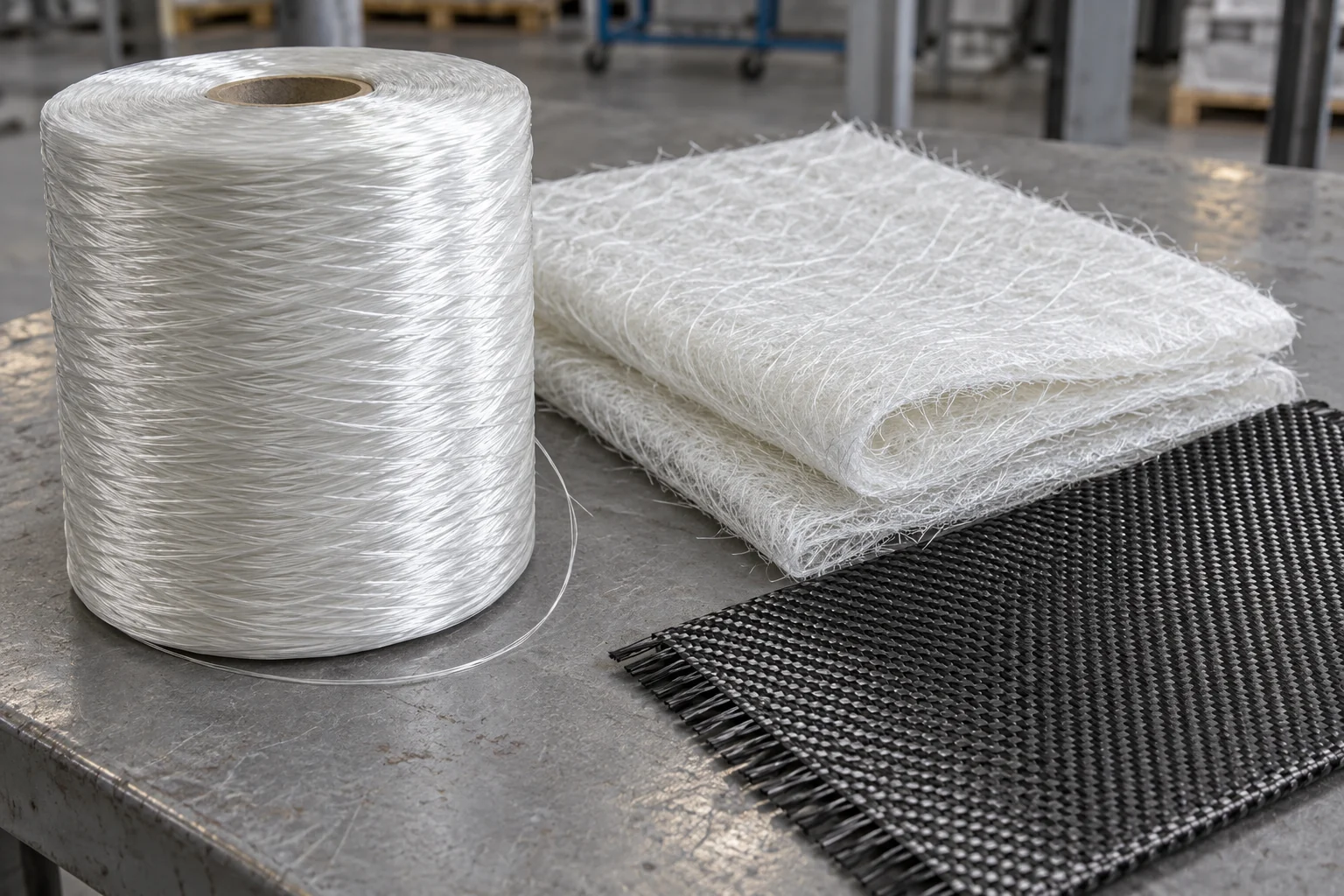
Multi-end assembled rovings means Bundled continuous glass-fibre strands.
Several glass-fibre strands brought together into a larger roving package for composite processing.
Sizing is a surface treatment that helps the fibre work with its resin. Share sizing information and whether the roving is unused or resin-contaminated.
This is a typical reason for selecting suitable grades. Check the manufacturer’s data sheet for the actual formulation and service conditions.
This is a typical reason for selecting suitable grades. Check the manufacturer’s data sheet for the actual formulation and service conditions.
This is a typical reason for selecting suitable grades. Check the manufacturer’s data sheet for the actual formulation and service conditions.
Properties vary with formulation, reinforcement, moisture, processing and service conditions. Use the exact grade data sheet for engineering decisions.
Fibre, thermoplastic composite and cured composite are different streams. Confirm the fibre format and surrounding resin.
Sizing is a surface treatment that helps the fibre work with its resin. Share sizing information and whether the roving is unused or resin-contaminated.
Poly-Cycle can discuss your material information and collection requirements. Inclusion in this guide does not confirm acceptance, a particular recycling method or that every operation takes place at a Poly-Cycle facility.
How assessment and collection workSend the team your grade details, approximate quantity and photographs. We can discuss the information needed for your particular batch.
Very fine strands of glass that can be supplied as yarns, rovings, mats or chopped fibres.
Understand this material Glass-fibre direct rovingsA continuous roving wound into a package and used to make reinforcing fabrics or structural composite shapes.
Understand this material CSMA sheet made from short glass strands held together, used to reinforce suitable resin systems.
Understand this materialGeneral material information reviewed 1 November 2026. Manufacturer information supports the material descriptions; recycling enquiry guidance is an editorial synthesis, not a statement of a supplier’s or Poly-Cycle’s acceptance criteria.
Browse this guide under: Fibres. The original category inventory was informed by RM Group’s plastics directory; explanations have been written for Poly-Cycle.